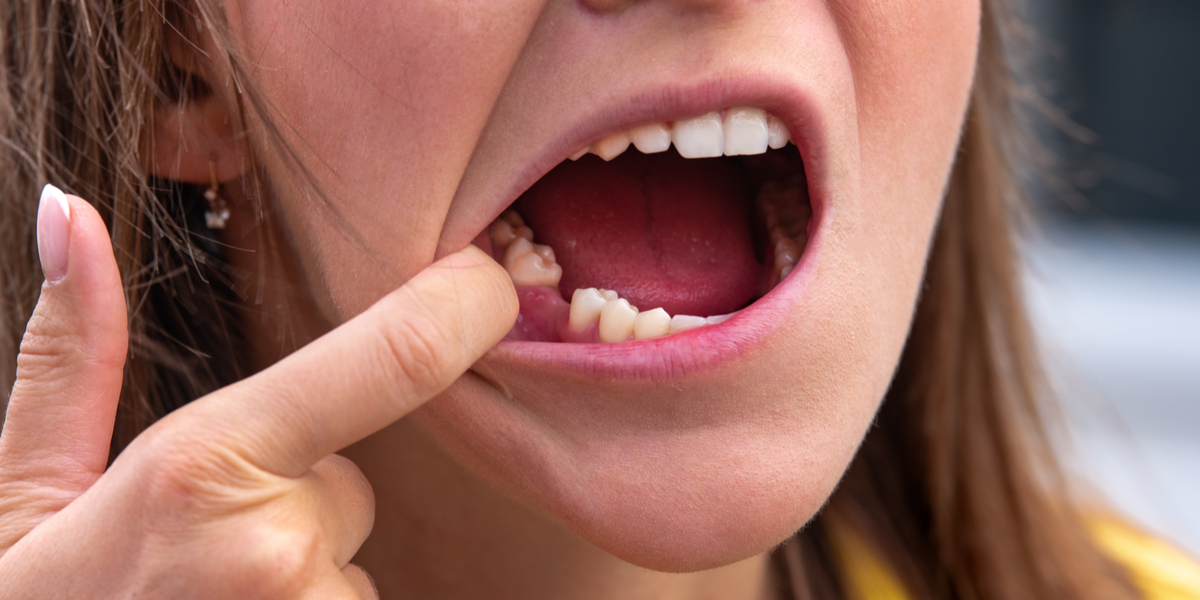
Tooth extraction is a common dental procedure that is performed for a variety of reasons, including decay, infection, or overcrowding. However, one potential complication of tooth extraction is bone loss at the extraction site. Today, we will discuss the causes of bone loss after tooth extraction and ways to prevent it.
What Does Bone Loss In The Jaw Mean?
Bone loss in the jaw refers to the shrinkage or deterioration of the jawbone. This can happen as a result of various factors, such as periodontal disease, missing teeth, or lack of stimulation to the jawbone. When the jawbone loses mass and density, it can affect the stability and function of the teeth, and may make it difficult to place dental implants or other restorative treatments. In severe cases, it can also lead to changes in the shape of the face, and can make the person look older than their actual age.
What Causes Bone Loss In Your Jaw?
Bone loss in the jaw, also known as jawbone atrophy, can occur for a variety of reasons. One of the main causes is periodontal disease, which is an infection of the gums and the supporting structures of the teeth. When left untreated, periodontal disease can lead to inflammation and destruction of the bone that supports the teeth.
Another common cause of jawbone atrophy is missing teeth. When a tooth is lost, the jawbone no longer receives the stimulation it needs to stay healthy and strong. Over time, the bone begins to shrink, leading to a loss of mass and density. This can make it difficult to place dental implants or other restorative treatments in the future.
Aging is also a factor that can cause jawbone atrophy. As we age, our body’s ability to regenerate bone decreases, which can lead to a gradual loss of bone mass. People with certain medical conditions or who take certain medications, such as corticosteroids or anticonvulsants, may also be at a higher risk of jawbone atrophy.
Does Jaw Bone Grow Back?
In some cases, the jawbone can grow back, or regenerate, after it has been lost or damaged. The body has the ability to form new bones through a process called bone remodeling. This process involves the removal of old bone by cells called osteoclasts and the formation of new bone by cells called osteoblasts.
However, the ability of the jawbone to regenerate depends on several factors, such as the extent of the bone loss, the individual’s age, and overall health. In general, younger people have a greater capacity for bone regeneration than older individuals.
If the bone loss is caused by periodontal disease, treatment such as scaling and root planing can help to stop the progression of the disease and allow the bone to regenerate. In some cases, a bone graft may be necessary to provide a scaffold for new bone to grow.
If the bone loss is caused by missing teeth, dental implants can be used to replace the missing teeth and stimulate the jawbone to grow. The implant acts as an artificial tooth root, providing the necessary stimulation to the jawbone for it to grow. This process is called osseointegration, and it allows the implant to fuse with the surrounding bone, creating a strong foundation for a dental prosthetic.
In cases of severe bone loss, where a patient is not a good candidate for an implant, or where the bone loss is too extensive, jaw reconstruction surgery may be required. This surgery involves the use of bone grafts and other techniques to rebuild the jaw structure and shape.
It’s important to note that the jawbone does not grow back exactly as it was before, but it can be restored to a functional and aesthetic state. Your dentist or oral surgeon can recommend the best treatment options based on the extent of your jawbone loss, your age, and your overall health condition.
How Can We Prevent Bone Loss After Extraction?
To prevent bone loss after tooth extraction, it is important to take proper care of the extraction site. This includes keeping the area clean and avoiding smoking or using straws, which can cause bleeding and dislodge the blood clot that forms in the socket. Additionally, your dentist may recommend placing a bone graft or membrane at the time of extraction to help preserve the bone and promote healing.
Another option to prevent bone loss after tooth extraction is to replace the missing tooth with a dental implant. Dental implants are artificial tooth roots that are placed into the jawbone, providing a stable base for a dental prosthetic, such as a crown, bridge, or denture. Dental implants are a great option for replacing missing teeth because they help to preserve the jawbone by providing the same level of stimulation as a natural tooth.
Jawbone atrophy can have significant consequences for dental health and overall well-being. When the jawbone loses mass and density, it can affect the stability and function of the teeth, and may make it difficult to place dental implants or other restorative treatments. In severe cases, it can also lead to changes in the shape of the face, such as sunken cheeks, and can make the person look older than their actual age.
It is important to address bone loss in the jaw as soon as possible. Early diagnosis and treatment can help to prevent further deterioration and preserve the remaining bone. Your dentist can perform a thorough examination and take a panoramic x-ray to determine the extent of the bone loss and recommend the appropriate treatment plan.
In Conclusion
Tooth extraction is a common dental procedure, but it can lead to bone loss at the extraction site. The main causes of bone loss after tooth extraction are the loss of natural stimulation and infection. To prevent bone loss, it is important to take proper care of the extraction site and consider options such as bone grafts, membranes, and dental implant replacement. Bone loss in the jaw, also known as jawbone atrophy, refers to the shrinkage or deterioration of the jawbone and can happen as a result of various factors such as periodontal disease, missing teeth, or lack of stimulation to the jawbone. Jawbone atrophy can affect the stability and function of the teeth and may make it difficult to place dental implants or other restorative treatments. The best way to address bone loss in the jaw is early diagnosis and treatment, which can help to prevent further deterioration and preserve the remaining bone. Your dentist can recommend the best treatment options based on the extent of your jawbone loss, your age, and your overall health condition.