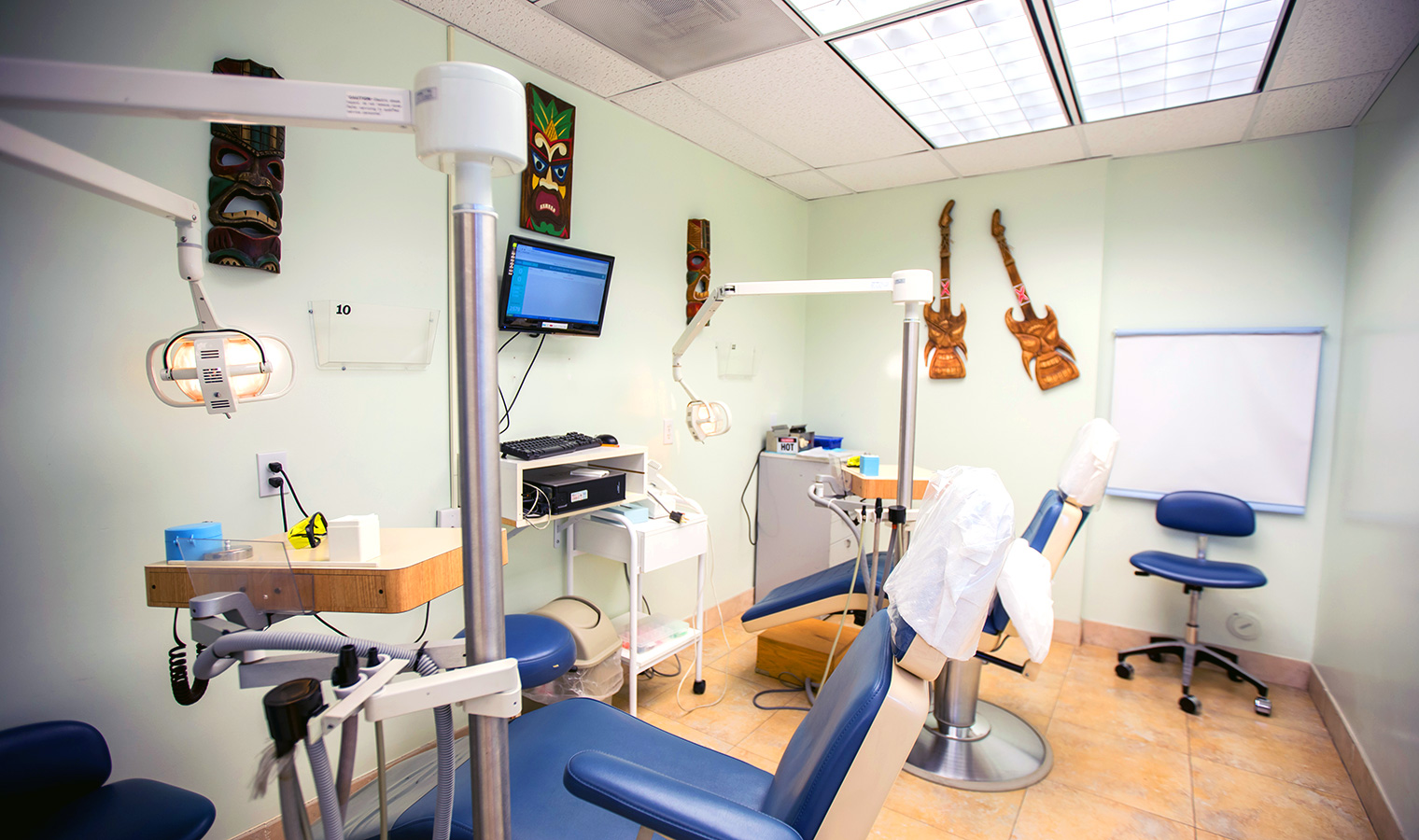
Emergency dentistry is a branch of dentistry that includes any dental emergency that needs immediate treatment to control bleeding from gums, reduce toothache, save an injured tooth, or deal with a life-threatening situation. Through their academics, training, and clinical practice, dentists should be familiar with the prevention, diagnosis, and treatment of common dental emergencies. Appropriate training should be provided to the staff so that they are ready to deal with any emergency effectively.
The components that are included in any dental clinic are:
*Dental emergency prevention
*Formulation of an action plan
*Recognizing a patient’s suffering and its management
*Emergency drugs and equipment
What is an emergency dentist?
An emergency dentist is a dental professional who deals with oral health emergencies and specializes in immediate care for patients’ needs. Many dentists allow walk-in patients who need immediate attention and care. They can schedule an appointment on the same day that the oral health emergency arises. If toothaches, injury, or trauma to the teeth due to accidents or a physical injury occurs, then the emergency dentist is the place to go.
Emergency services provided
The best part about an emergency dentist is that they can treat a wide variety of diseases and needs promptly. In general, any oral health issue that requires immediate attention from a dentist is best treated by an emergency dentist as they can provide the quickest care possible. Some oral health care emergencies occur more often than others do, which are then treated by an emergency dentist. Following are some of the services that are provided by an emergency dentist:
Knocked out permanent teeth: For knocked-out permanent or adult teeth, the emergency dentist immediately fixes the tooth with the remaining portion of the root with the help of tooth preservation and restoration products.
Chipped or cracked tooth: When this occurs, localized swelling occurs at that site. This may be treated by a filling or a crown if needed.
Biting on tongue or cheek: For this, the emergency dentist controls the bleeding site by placing gauze over it and putting pressure over it.
Toothaches: Mostly for toothaches, the emergency dentist prescribes antibiotics and painkillers for the patient when he comes to the emergency department. Further treatment is provided depending on the cause of the toothaches, like root canal therapy (RCT) or extraction if necessary.
Objects stuck in teeth: This is removed utilizing dental floss and professionally by deep cleaning to eliminate any food particle or debris.
Why visit the emergency dentist?
You should consider visiting an emergency dentist anytime a tooth becomes knocked out, chipped, or cracked. Also, many oral infections can lead to an abscess, which can become incredibly painful and lead to a fever and severe swelling of the mouth and the adjacent gums. When this occurs, it requires immediate attention from an emergency dentist. While crowns and fillings can last for a long time without needing to be repaired or replaced, there is still a chance they might fall out early, which can lead to unnecessary pain and discomfort. With immediate care from an emergency dentist, it can be ensured that immediate issues do not turn into long-term complications.
Toothache
Toothache is pain that occurs in or around that particular tooth. It can range from particulate matter to a broken tooth or bacterial infection. Serious causes of toothache need immediate attention that is provided mainly by the emergency dentist to resolve the pain and whatever problem or agent is causing it.
Causes of toothache
*Tooth decay
*Abscessed tooth (bacterial infection residing in a tooth)
*Cracked or chipped tooth (broken tooth)
*Damaged filling
*Infected and swollen gums
*Impacted tooth
*Extraction of a tooth, mostly the wisdom tooth
*Repetitive motions of chewing or grinding of teeth, this can wear down the teeth
Symptoms of toothache
*Swelling around the affected tooth
*Fever or headache
*Bad odor coming from the oral cavity
*Foul tasting drainage coming from the tooth
*Sharp, continuous, or throbbing pain
*Pain initiates if pressure is applied on that tooth, like when chewing
Treatments for toothache
*Cavity filling
*Tooth extraction, only when necessary
*Root canal, needed if the cause of the toothache is an infection of the tooth’s nerve present in the pulpal region caused by bacteria that have worked their way into the inner space of the root of the tooth
*Prescription antibiotic, if there is a fever or swelling of the jaw
*Professional deep teeth cleaning, when a small piece of food, such as a popcorn hull, gets stuck under the gums, causing an infection
Dental trauma and injury
Dental trauma refers to a physical injury to the teeth, gums, the alveolar bone (the bone that holds the tooth sockets), or the soft tissue of the mouth, which includes the lips and tongue. There are several types of injury that fall under the category of dental trauma, including the following:
*Chipped tooth
*Tooth fractures which further include enamel and root fractures
*Knocked out tooth
*Tooth jammed into the socket
*Tooth knocked loose
*Fracture of the tooth socket wall
*Jaw fracture
*Laceration of lips
Causes of dental trauma
Most causes of dental trauma are accidents, falling off the stairs, vehicle collisions, and playing sports. Some other cases are due to being involved in violent incidents, such as fighting or physical abuse.
In Summation
Emergency dentistry is an essential field as compared to others. All and any dental emergency is treated immediately by the emergency dentist. The emergencies include all kinds of toothaches, trauma, and injury to the tooth, which may be due to physical accidents or due to violent incidents like fighting and abuse. When a patient comes to the emergency department, on-the-spot treatment is provided by the emergency dentist available, or an appointment is scheduled on the same day as an oral health emergency.