Even if you have the best dental insurance available, it won’t be helpful until you find an excellent dentist near you that takes it.
Who doesn’t love affordable dental care? That’s why you always want to see a dentist who accepts your dental insurance. When you’ve just moved, switched providers, or secured a new job, you may need to find another dental office that takes your current plan. Searching for a new dentist can sometimes feel overwhelming, especially since you want to ensure they are local and provide excellent service for your entire family. However, at its core, the process is simple.
How Do I Find A Dentist In My Network?
Get Recommendations
Word-of-mouth recommendations are consistently the best way to find an amazing dentist. With friends and family members, you can more solidly trust that those you know personally understand your specific needs and have your best interests at heart. Googling “dentists near me” and checking Yelp can only tell you so much, and these online reviews should always be taken with a grain of salt.
However, the best recommendations often come from coworkers. If your employer offers dental, your coworkers will know which nearby practices take your company’s plan. This way, you’ll find the best dentists to help you if you have a dental emergency at work or schedule a lunch break appointment.
Ask Your Insurance Provider
You can also go directly to your insurance provider to see which dental practices are in your area. Many providers have a dentist locator on their websites, allowing you to search by location. Once you have a few possible contenders here in Bellflower, we highly recommend giving each dental office a call to confirm. Providers’ online listings aren’t always updated to the last minute, and listings may be outdated.
Go Through Your Options
With your friends’, coworkers’, and provider’s help, you should have a list of half a dozen or more candidates. Now it’s your turn to evaluate which of your choices seems to be the best fit for you and your family.
Convenience
Convenience is one of the most important aspects of choosing a practice. It boils down to two elements: location and office hours. Location is self-evident. No one wants to drive an hour each way for dental care, so you want to find a clinic by your home, work, or school. However, a clinic’s hours of operation are also critical. You don’t want to call out whenever you need to book an office visit. When researching practices, check if they’re open before or after your work hours or on the weekend.
Services
The more services that a dental office offers, the more convenient it is to visit. If you already have a good idea of which specific ones your family may need throughout the year, be sure to check whether the office includes it. Depending on your insurance, you may need to start the search process all over to see a specialist.
Alternative Financing
Insurance rarely covers the entire treatment costs, and deductibles may need to be met first. Plus, you may want dental work that’s not included even in full coverage plans. Many patients find that they still need some assistance to ensure they receive affordable dental care. If this is the case with you, be sure to look into whether your prospective dentists offer dental discount plans, in-house financing, or other third-party financing options.
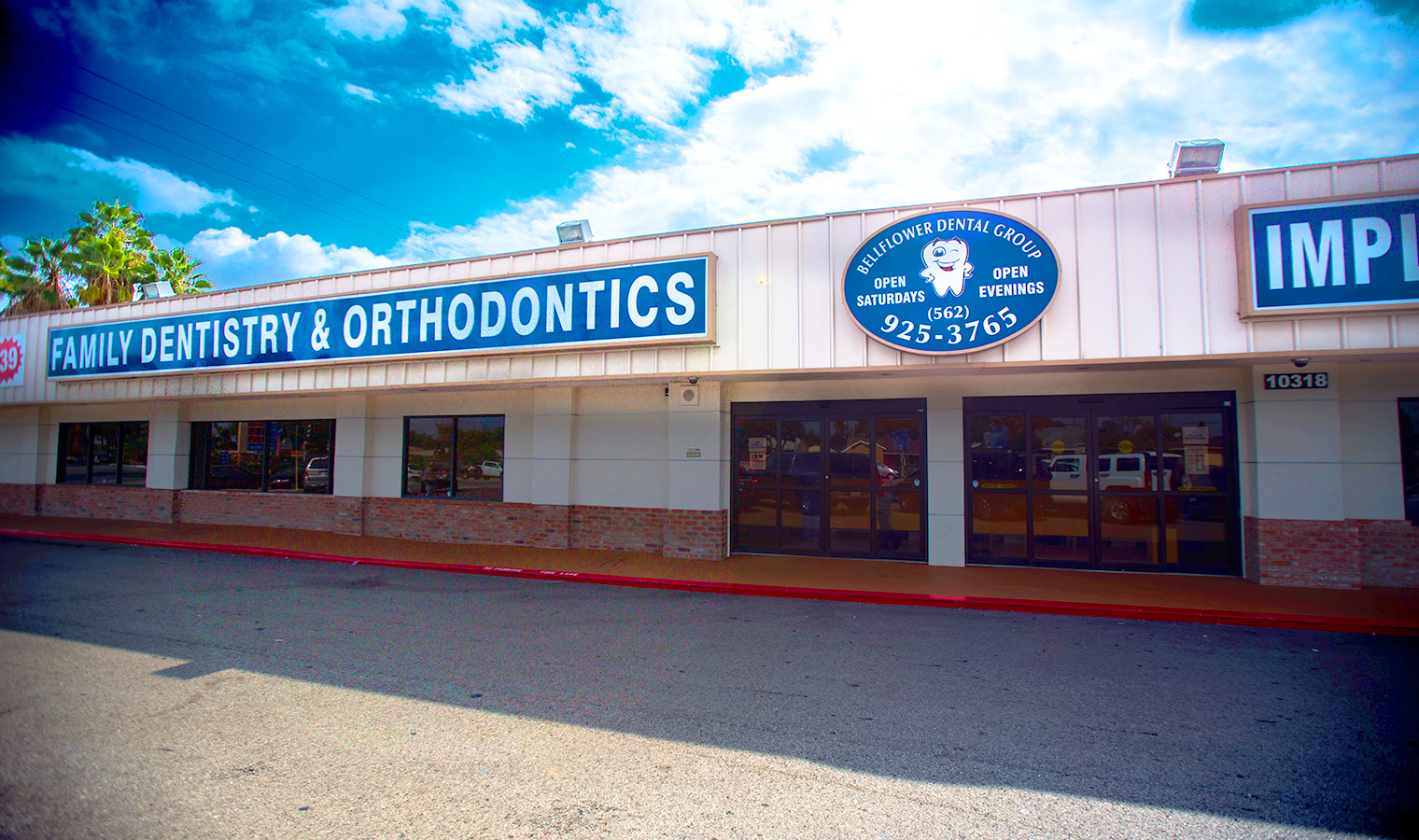
For example, we have in-house financing available to our patients at Bellflower Dental. We also accept CareCredit Dental and Wells Fargo Health Advantage. These programs offer credit cards designed to make your treatment costs manageable and budget-friendly.
Pay Them A Visit
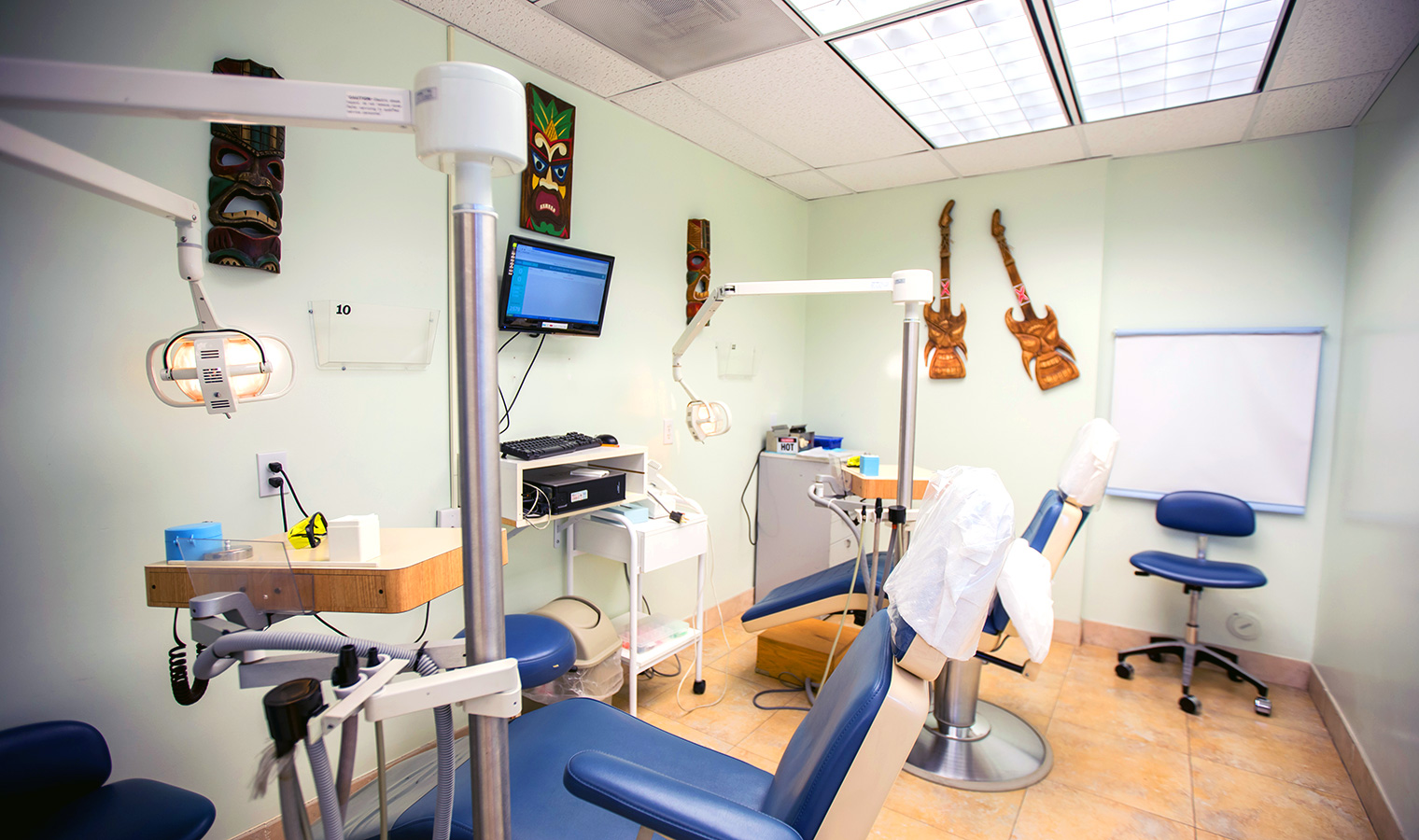
Once you’ve narrowed down your options to one or two, you should visit the office to see what they’re like in practice. By scheduling a visit, you can take a full tour of the clinic and see the atmosphere and technology. You can also take the time to sit down with your prospective dentist and ask any questions you have. Don’t be shy! You want to ensure your dentist is someone you feel comfortable around and trust to take excellent care of your smile.
Frequently Asked Questions
What Are The Different Types Of Dental Insurance?
There are five main types of dental insurance plans:
Preferred Provider Organizations (PPO)
Health Maintenance Organization (HMO)
Dental indemnity
Exclusive Provider Organization (EPO)
Point of Service (POS)
Most dental offices typically take PPO and HMO plans. At Bellflower Dental Group, we accept all PPO dental insurance and are in-network for two HMOs: Cigna Dental and Aetna dental insurance. Let’s take a look at what separates the two most common types:
PPO Insurance
PPOs offer much more flexibility than your average HMO plans. PPOs come with the broadest network of dentists available, giving you the best chance of finding an excellent dentist nearby. However, you also don’t need a dentist to be in-network with your provider, which sometimes happens when patients have dental emergencies while traveling. Your costs will only be lower if you stay within your provider network. PPOs also don’t require you to select a primary care dentist, so you can see a dental specialist without a referral, if necessary.
HMO Insurance
HMOs are typically chosen because they are less costly and more affordable. There are also usually no deductibles, meaning you can receive coverage without meeting a certain amount of expenses out-of-pocket. HMOs aren’t as flexible as PPOs, and they come with more constraints. The dental office you choose must be in your provider’s network, and you must declare them as your primary care dentist. This dentist will also need to refer you to another office if you need specialist care, like oral surgery or TMJ treatment.
How Much Is Dental Insurance?
While many businesses offer insurance to their employees. However, if you need to find affordable dental insurance, several things should be kept in mind during your search. Depending on these determining factors, your dental insurance can vary:
Type of insurance
Provider
Amount of coverage
Deductibles
Location
Does Dental Insurance Really Save Money?
If your work offers dental, there’s no question that you can save hundreds or even thousands of dollars each year with your insurance. However, if you need to buy insurance for your family, you need to look at the costs vs. benefits to see whether your policy is worth it. When deciding on a plan, you should consider what treatments and care you expect your family will need. From there, you can compare the plan’s annual costs against your total expected savings.
What treatments do insurance plans include? Most providers follow a standard 100-80-50 formula:
Preventive Care (100% covered): twice-annual dental cleanings and checkups
Basic Procedures (80% covered): fillings, extractions, periodontal work_
Major Procedures (50% covered): bridges, crowns, root canals, dentures_
There are also full coverage dental insurance plans that take care of a wider variety of procedures, like orthodontics and dental implants. However, dental insurance for implants doesn’t usually include the entire prosthetic cost. Instead, they typically pay for part of the crown and not the implant screw or abutment. Patients who mostly want cosmetic dentistry procedures won’t find dental insurance very useful. Dental insurance doesn’t apply to elective aesthetic procedures, like teeth whitening or bonding.
Is dental insurance worth it in retirement? Dental health problems become more prevalent as people grow older. Over 70% of seniors have gum disease, with 64% having either moderate or severe cases. This is a significant factor for why so many retirement-age Americans have at least one missing tooth. All of these conditions can require frequent and intensive treatments. As such, many of our older patients find that dental insurance for seniors is useful and can quickly save them a lot of money.
Need help deciding whether insurance is worth it? We’re here to help! You can call our office at (323) 486-6579 to schedule a financial consultation with our expert dentists.