The purpose of root canal therapy is to eradicate germs from the infected root canal, prevent reinfection of the tooth, and preserve the original tooth. During a root canal, the inflamed or diseased pulp is removed along with the nerve. The inside of the tooth is cleansed and sterilized before being filled and sealed. If your dentist or endodontist advises a root canal operation to repair a broken or diseased tooth, there is no reason for alarm. Each year, millions of teeth are treated and preserved in this manner, reducing pain and restoring dental health.
Underneath the white enamel and the dentin lies a soft tissue known as pulp. This tissue comprises blood arteries, nerves, and connective tissue, which aid in the growth of the tooth’s root. A fully grown tooth may live without pulp because the surrounding tissues continue to supply the tooth. Modern root canal therapy is nothing like the old wives’ tales! Depending on the health of your tooth and your unique circumstances, it may normally be finished in one or two sessions. Root canal therapy is reasonably painless and very effective. You’ll be able to smile, bite, and chew normally in no time.
Saving the natural tooth with root canal therapy has several benefits:
-Effective mastication
-Normal power and feel of biting
-Authentic appearance
-Protects other teeth from severe strain or damage
What Are Some Signs That May Signal The Necessity For A Root Canal?
In certain instances, you may be unaware of an infected tooth. However, many individuals report specific symptoms. Signs indicating the necessity for a root canal include:
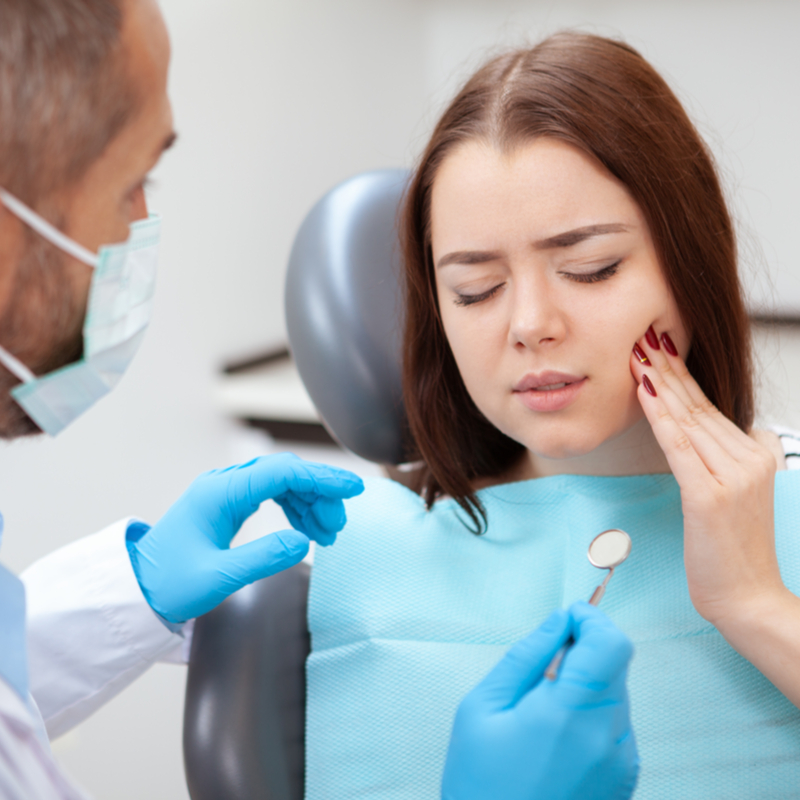
-Tooth pain that doesn’t go away: Many dental issues can lead to tooth pain. If you experience a toothache, you may need root canal treatment. Additionally, discomfort may extend to the jaw, cheek, or other teeth.
-Sensitivity to heat and cold: If your tooth suffers when you consume hot coffee or ice cream, you may need root canal therapy. This is particularly true if the discomfort lasts more than a few seconds.
-Pimple on the gums: You may develop a blemish or boil on the gums. The pus from the affected tooth may flow through the pimple, resulting in an unpleasant taste or odor.
-Swollen jaw: Sometimes pus doesn’t discharge from the site. Your jaw could become noticeably enlarged as a consequence.
-Tooth discoloration: Whenever the pulp of a tooth does become infected, it can end up causing your tooth to appear darker. This is due to inadequate blood flow to the tooth.
-Pain when pressure is applied: If you have pain when you eat or touch your tooth, this could mean the nerves all around the pulp are damaged.
-A chipped or cracked tooth: If you shatter a tooth in an accident, while playing sports, or simply by biting down on something hard, germs might enter the tooth pulp.
-Loose tooth: An infected tooth could feel looser because pus from the diseased pulp may weaken the bone which supports the tooth.
How Prevalent Is Root Canal Treatment?
The American Association of Endodontists reports that approximately 41,000 root canals are done daily in the United States. This indicates that almost 15 million root canals are performed annually.
How Should I Prepare For An Endodontic Procedure?
Before commencing the root canal surgery, your healthcare expert may address any questions you may have. Here are some steps you may take to prepare for your root canal:
-You may be given antibiotics or anti-inflammatory drugs a few days before your session, particularly if there is a significant amount of infection present.
-Tobacco products interfere with the body’s capacity to recover. Avoid smoking several days before your root canal appointment, and if possible, quit entirely.
-Since the local anesthetic used during root canal treatment can numb your mouth for many hours, it is a good idea to eat a nutritious meal before your visit.
How Much Time Does A Root Canal Require?
Root canal treatment may need one or two sessions, depending on the severity of the infection in your tooth. On average, it takes between 30 to 60 minutes to perform a root canal. It might take up to an hour and a half to treat bigger teeth with many roots.
Do Root Canals Cause Pain?
Since anesthetic is used, a root canal is no more painful than a filling or the removal of a wisdom tooth. However, a root canal is often accompanied by some soreness or numbness following the treatment, which may last for several days.
How Do You Know If You Need A Root Canal?
Cracked teeth resulting from trauma or heredity, severe cavities, or difficulties with a prior filling need root canal therapy. Patients often need a root canal if they have tooth sensitivity, especially to hot and cold temperatures. There are several indications that a root canal may be necessary, such as extreme discomfort during chewing or biting, having acne on the gums, a broken or chipped tooth, sensitivity to heat or cold that persists after the cause has been gone, swollen or sensitive gums, or deep rot or gum discoloration.
Can I Return To Work Or School After A Root Canal?
Although you will likely feel numb for two to four hours after a root canal, the majority of patients may return to school or work immediately. However, eating is discouraged until the numbness has entirely subsided
What Is The Cost Of A Root Canal?
The price varies according to the severity of the issue and the damaged tooth. Molars are more difficult to cure, hence the charge is often more. Most dental insurance plans give some coverage for endodontic treatment.
How Do I Avoid A Root Canal?
Endodontic therapy and repair of the natural tooth are often less costly than the option of tooth extraction. To restore chewing function and prevent surrounding teeth from moving, a missing tooth must be replaced with an implant or a bridge. Typically, these treatments are more expensive than endodontic therapy and repair.
-Brush two times daily: Sounds easy, but far too many parents and children neglect this step before bedtime. The act of brushing one’s teeth before bed should be as routine as turning out the lights.
-Floss once every day: Skipping flossing is equivalent to showering just 70 percent of the time. This not only contributes to poor breath, but also provides a breeding ground for root-damaging bacteria!
-Avoid tough foods like hard candy and lollipops: Both of these conditions result in fractures that enable germs to infiltrate the root system.
-Beware if your teeth are weak: If you already have weak teeth or restorations, you should also avoid crisp fruits and vegetables like apples and carrots, which are two of the most tooth-crushing foods.
-Refrain from the ice: Many individuals are enticed by the crisp, refreshing feeling of ice towards the finish of a beverage. However, ice eating may easily fracture, shatter, or break a tooth or filling. Once this occurs, germs may easily access the nerve core of the tooth.
-Nighttime mouth guard use: If you are a teeth grinder or clencher, you should wear a sleep guard to protect your teeth against fractures, which may expose the tooth roots over time.
-Always use a mouth guard while playing sports: Mouth guards are now an essential piece of equipment for almost all sports, from soccer to snowboarding.