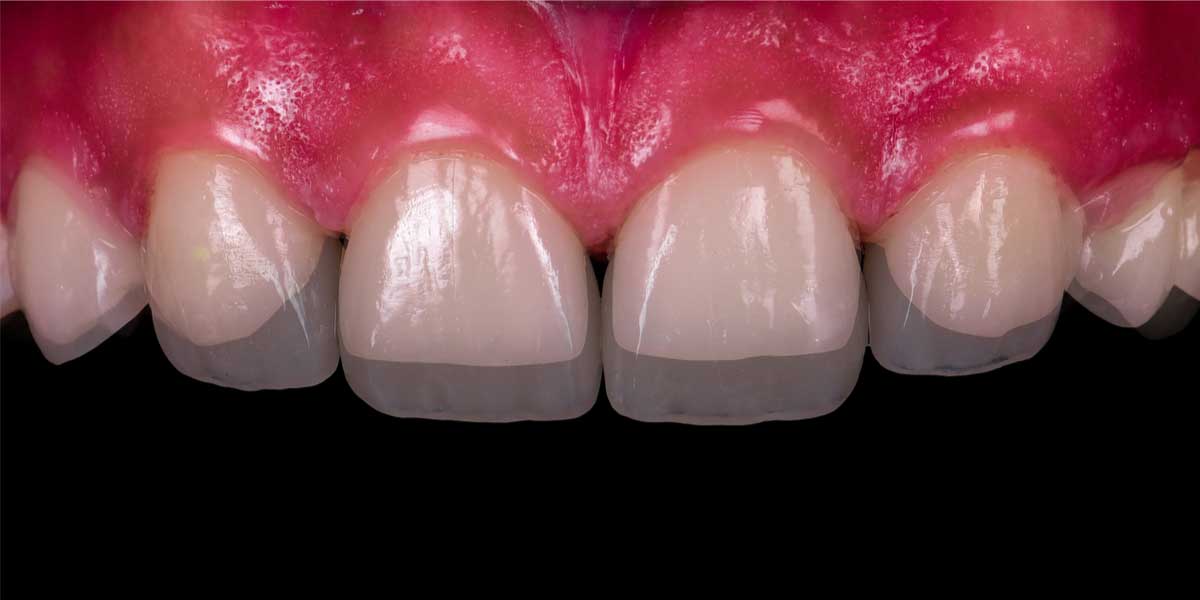
Are you unhappy with the appearance of your smile? Perhaps you have a chipped tooth, a gap between your teeth, or staining that won’t go away no matter how much you brush. If so, you’re not alone.
Many people feel self-conscious about their teeth and avoid smiling or speaking up in social situations. However, there’s no need to suffer in silence. Dental bonding is a simple and affordable cosmetic treatment that can help improve the appearance of your smile in just one visit to the dentist.
In this blog post, we’ll explore how dental bonding can transform your teeth and boost your confidence.
What Does Bonding Mean in Dentistry?
At its most basic level, bonding refers to the process of applying a tooth-colored resin material to a tooth to improve its appearance or restore its structure.
In dental bonding, a dentist will use a composite resin material to cover up any cosmetic flaws in your teeth or repair any damage. The resin is bonded to the tooth using a special adhesive, and then shaped and polished to match the color and texture of your natural teeth.
Dental bonding is a popular cosmetic dental treatment because it is quick, painless, and effective. Unlike other procedures, such as veneers or crowns, bonding can often be completed in a single visit to your dentist’s office.
Bonding can be used to address a variety of dental issues, including chipped or cracked teeth, gaps between teeth, discoloration, and even misshapen teeth. It is a versatile treatment that can be tailored to your specific needs and goals.
One of the great things about dental bonding is that it requires very little preparation of the tooth. Your dentist will simply roughen the surface of the tooth and apply the bonding material. This makes it a less invasive option than other cosmetic dental treatments.
Overall, dental bonding is a safe, effective, and affordable way to improve your smile and boost your confidence.
Does Tooth Bonding Break Easily?
The short answer is that while dental bonding is a durable and long-lasting treatment, it is not indestructible and can break or chip under certain circumstances.
However, it’s important to note that a dental bond is designed to withstand the everyday wear and tear of normal use. With proper care and maintenance, it can last for several years.
To help prolong the life of your dental bond, it’s important to follow good oral hygiene practices, such as brushing twice a day, flossing daily, and visiting your dentist regularly for checkups and cleanings. You should also avoid biting down on hard objects, such as ice or hard candy, which can cause the bonding material to crack or break.
If it does break or chip, it can often be repaired by your dentist. Depending on the extent of the damage, your dentist may simply smooth out the rough edges or replace the bonding material altogether.
In some cases, dental bonding may not be the best treatment option for you. If you have significant damage to your teeth or are looking for a more long-lasting solution, your dentist may recommend alternative treatments.
Can I Whiten Bonded Teeth?
The answer is a bit more complicated than a simple yes or no.
While it is possible to whiten bonded teeth, the bonding material itself cannot be whitened with traditional teeth whitening treatments. This means that if you have dental bonding on some of your teeth, those bonded teeth may appear darker or more yellow than your natural teeth after a whitening treatment.
However, there are other options available to help you achieve a more uniform and brighter smile. Your dentist may recommend replacing the bonding material with a lighter shade that better matches your newly whitened teeth. Alternatively, your dentist may suggest alternative treatments, such as veneers or crowns, that can be better matched to your desired shade.
It’s important to note that before undergoing any whitening or cosmetic dental treatment, you should schedule a consultation with your dentist to discuss your options and determine the best course of action for your specific needs.
In addition, it’s important to maintain good oral hygiene habits and avoid habits that can cause staining or damage to your teeth, such as smoking or consuming dark-colored foods and beverages.
In conclusion, while dental bonding cannot be whitened with traditional teeth whitening treatments, there are other options available to help you achieve a brighter and more uniform smile. Your dentist can help you determine the best treatment plan for your specific needs and goals.
Is Dental Bonding Right for Me?
If you’re considering dental bonding as a cosmetic dental treatment, you may be wondering if it’s the right option for you. Dental bonding can be a great solution for a variety of dental issues, such as chipped or cracked teeth, gaps between teeth, and discoloration.
However, it’s important to note that dental bonding may not be the best option for everyone. For example, if you have significant damage to your teeth or are looking for a more long-lasting solution, your dentist may recommend alternatives such as veneers or crowns.
The best way to determine if dental bonding is right for you is to schedule a consultation with your dentist. During the consultation, your dentist will examine your teeth and discuss your goals and concerns with you. They can then recommend the best treatment options based on your specific needs and goals.
We hope this blog has helped answer some of your questions about dental bonding and how it can improve your smile. If you’re interested in learning more about dental bonding or any of our other cosmetic dental treatments, we encourage you to schedule an appointment with one of our experienced dentists.
Our team of dental professionals is committed to providing the highest quality care in a warm and welcoming environment. We will work with you to create a personalized treatment plan that meets your needs and helps you achieve the beautiful and healthy smile you deserve.