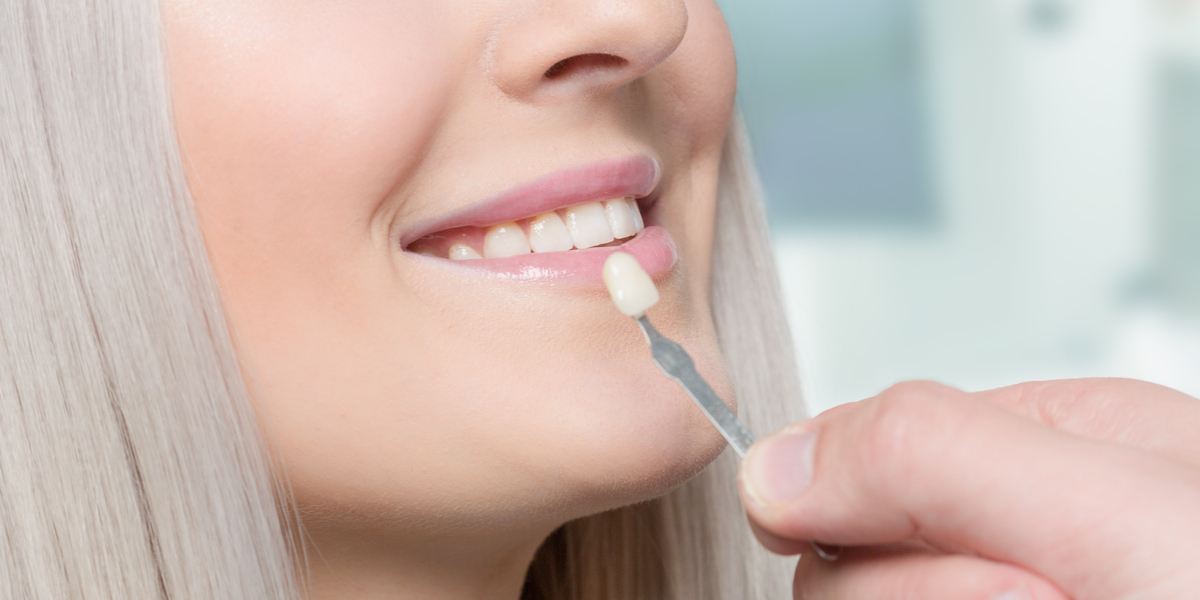
A perfect smile is not just a confidence booster but also an essential element of good oral health. If you are looking for a simple yet effective solution to transform your smile, veneers might be the answer for you. They are thin shells that are customized to fit over your existing teeth, covering any cosmetic imperfections and providing a natural-looking smile.
But have you ever wondered how veneers are made and how they work? The answer lies in the science behind this advanced dental technology. Veneers have come a long way in recent years, and their design and creation are now more precise and efficient than ever before. In this blog, we will explore the science of veneers and how they create beautiful smiles.
Through this blog, we hope to provide you with an in-depth understanding of how veneers work and how they can help you achieve your desired smile. Whether you’re looking to correct crooked, chipped, or discolored teeth, or simply want to enhance your smile’s overall appearance, veneers are an excellent option to consider.
The Anatomy of Veneers: How They Work and Why They’re So Effective
Veneers are a cosmetic dental procedure that can transform your smile with just a few simple steps. They are thin shells made of porcelain or composite resin that are custom-fitted to your teeth to provide a natural-looking, beautiful smile. The procedure involves removing a small amount of tooth enamel to make room for the veneers, and then bonding them to the front of your teeth. But how do veneers work, and why are they so effective?
The Science of Veneers
To understand the science behind veneers, it’s important to first understand the anatomy of a tooth. Teeth are made up of several layers, including the outer layer of enamel, the inner layer of dentin, and the pulp, which contains nerves and blood vessels. When a tooth is damaged, whether it be from decay, trauma, or other factors, the enamel can become worn down, leaving the dentin and pulp exposed. This can cause pain, sensitivity, and discoloration.
Veneers work by covering the damaged or discolored enamel with a thin layer of material, restoring the tooth’s natural appearance and protecting it from further damage. The material used in veneers is strong, durable, and stain-resistant, making it a long-lasting solution for a beautiful smile.
The Importance of Customization
One of the key factors in the success of veneers is their customization. A skilled dentist will take precise measurements and digital images of your teeth to ensure that the veneers fit perfectly and look natural. They will also work with you to choose the shade and shape of your veneers, so that they complement your natural teeth and enhance your overall appearance.
Advanced Technology for Precise Results
Advanced technology plays a crucial role in the design and creation of veneers. Digital imaging and 3D printing allow dentists to create highly accurate models of your teeth, ensuring a perfect fit for your veneers. They can also use computer-aided design (CAD) software to create a digital mockup of your smile, so you can see what your new smile will look like before the procedure.
What Materials are Used for Veneers?
Veneers can be made from two primary materials: porcelain and composite resin.
Porcelain veneers are the most common type and are highly durable, stain-resistant, and look the most natural. The process involves removing a thin layer of the tooth enamel, creating an impression of the teeth, and then bonding the custom-made veneers to the tooth surface. Porcelain veneers are highly resistant to wear and can last for many years with proper care.
Composite resin veneers are less expensive than porcelain and can often be placed in a single visit. They are made of a tooth-colored composite resin that is bonded to the tooth and shaped to fit your natural teeth. While they are less durable than porcelain veneers, they can still provide a beautiful and natural-looking smile.
When choosing the type of veneers, it is important to consider factors such as the cost, durability, and the desired outcome. Your dentist can help you determine which type of veneer is right for you, based on your unique situation and preferences.
It’s important to note that both types of veneers require regular dental check-ups and proper oral hygiene to maintain their appearance and longevity. Brushing, flossing, and regular dental cleanings are essential to prevent decay and ensure the long-term success of your veneers.
Are Veneers Permanent?
Veneers are a long-lasting solution, but they are not considered permanent as they may need to be replaced or repaired over time.
The lifespan of veneers depends on a variety of factors, including the type of veneer, your oral hygiene habits, and your overall dental health. Porcelain veneers typically last longer than composite resin veneers, with an average lifespan of 10 to 15 years or more. Composite resin veneers, on the other hand, may need to be replaced more frequently, usually within 5 to 7 years.
While veneers are designed to be durable and resist wear and tear, they are not indestructible. Over time, veneers may become chipped, cracked, or dislodged due to normal wear and tear or accidental damage. If this happens, your dentist can repair or replace the veneer to restore your smile’s appearance.
Do Veneers Ruin Your Teeth?
When properly placed and cared for, veneers should not ruin your teeth, and in fact, they can even help protect them.
The process of getting veneers requires removing a thin layer of tooth enamel, which can make some people wonder if this process can damage or weaken their teeth. However, the amount of enamel removed is typically minimal and necessary to ensure a proper fit for the veneers. In some cases, if a minimal prep veneer is used, little to no tooth structure is removed at all.
In fact, veneers can actually help protect your teeth by covering any existing chips, cracks, or other imperfections that could lead to more serious dental issues. Veneers also create a smooth surface that makes it easier to keep your teeth clean and healthy, reducing the risk of decay and gum disease.
It’s important to note that the success of veneers depends on proper placement and good oral hygiene. Choosing an experienced and skilled dentist who uses the latest technology and materials is essential to ensure a comfortable and effective procedure. Additionally, regular dental check-ups, brushing, flossing, and dental cleanings are important to maintain the longevity of your veneers.
In conclusion, veneers should not ruin your teeth and can actually provide a long-lasting solution for a brighter and more beautiful smile. With proper care and maintenance, veneers can help protect your teeth from damage and decay and give you the confidence to show off your smile for years to come. Schedule your consultation today to get the smile of your dreams.