Occasionally, a patient hasn’t seen a dentist in a few years and needs to be seen immediately. This patient may need a service before getting their prophylaxis, sometimes known as cleaning. Gross debridement is the term used to describe the removal of plaque and calculus accumulations from the teeth by dental cleaning to preserve dental health. Gross debridement is a procedure done throughout a personal or professional dental cleaning. The process may be carried out in a professional setting utilizing ultrasonic devices, which shatter the calculus, enabling its removal. It can also be carried out using hand tools, such as periodontal scalers and curettes, or with the use of chemicals, such as hydrogen peroxide.
The Debridement Procedure:
Scaling: Because of the calcification on the teeth, a dentist or dental hygienist will use a mix of hand scalers and an ultrasonic instrument to remove the debris above and below the gumline to get the best results. The operation is performed to prevent germs from invading the tooth’s internal structure or to eliminate particles that have pierced the enamel layer of the tooth. If a patient has an enormous amount of accumulation, the treatment may take longer and may need numerous visits.
Polishing: This treatment is performed to eliminate rough regions to which germs are attracted. It is beneficial in the prevention of tooth decay and gum disease. Tooth polishing, when combined with tooth scaling, may result in smooth, white, bacteria-free teeth. Dentists typically do not advise attempting to clean your teeth using over-the-counter tooth polishing products.
Root Planing: This procedure eliminates plaque and tartar accumulation from periodontal pockets. These are inflammatory regions caused by plaque and tartar buildup, causing the gums & teeth to separate. Root planing is an aggressive technique used to debride the root region. During this treatment, a thin layer of cementum is removed. Despite their similar color, this layer covers the root and should not be confused with dentin. Because it is weaker and thinner, subgingival accumulation should be eliminated as soon as possible. Root planing is only required when debris has infiltrated the root region. This may be completed on the same day. In certain situations, though, a patient is requested to return for a second session.
You might well have comprehended the fundamental notion of gross debridement and that dental appointments are vital not only for guaranteeing your long-term oral health but also for lowering the danger of crises up to this point. These appointments usually include professional teeth cleaning to eliminate hardened plaque that may lead to dental problems such as cavities, gum disease, and bad breath, among other things. However, hygienists may undertake an oral examination before teeth cleaning, which may indicate that you need a full-mouth debridement (cleaning of gums from above and below) rather than normal teeth cleaning of the visible area of the teeth. Now let us take a closer look at the full mouth debridement to comprehend it better.
What Is A Full Mouth Debridement?
To eliminate plaque and tartar accumulation, it is a much more severe technique that must be performed. It is important to note that full-mouth debridement (FMD) is distinct from a prophylactic or professional cleaning. FMD is required to identify what is going on within your mouth, while prophylaxis is merely the removal of hardened plaque from the surfaces of your teeth, which is a rather simple procedure. Furthermore, FMD does not need regular maintenance, such as tooth cleaning, to remain effective. It comprises a variety of techniques and may need two to three sessions to be completed in its entirety. Plaque and tartar buildup make oral health examination harder. So a full mouth debridement is typically required to complete an assessment and cleaning.
How Does It Work?
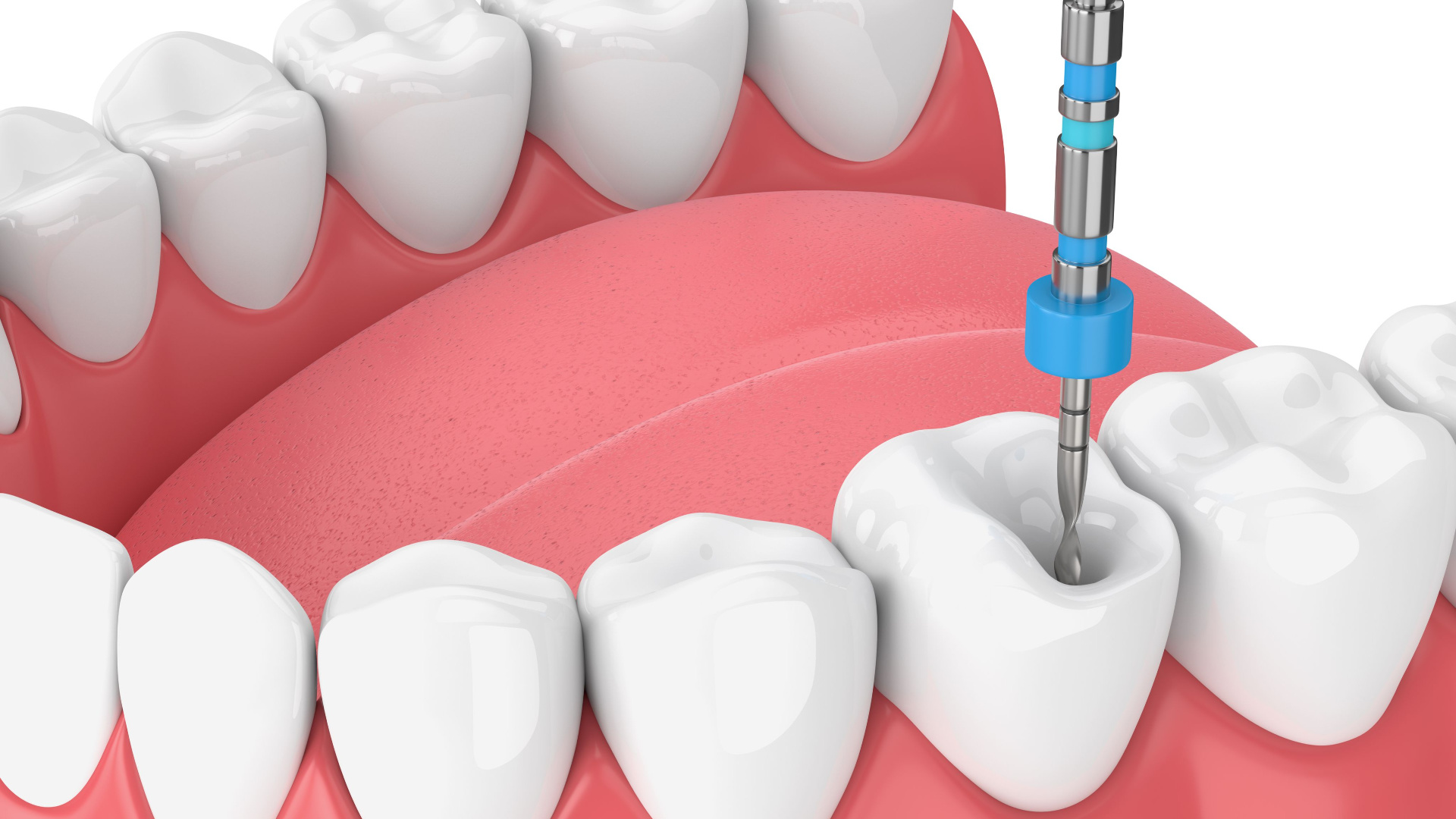
An ultrasonic device, electric scaler, and other hand devices are used by the dental hygienist to clean the visible surface of your teeth, which is followed by fine-scaling the roots. If patients need further dental operations, such as a root canal due to severe periodontal disease, they will be arranged 4 to 6 weeks after your first appointment. During this period, you should follow the dental hygiene instructions provided by your hygienist to ensure that your gums heal quickly.
Is Full Mouth Debridement Necessary?
A full mouth debridement often is required to perform a thorough assessment and subsequent cleaning of the teeth. A debridement is a technique that is required when the patient has thick or dense deposits on their teeth that routine cleaning cannot remove. Furthermore, it is necessary to remove it for the patient to live a healthy life with their healthy teeth, as if it is not removed, they may become a target for a variety of ailments in the future. A full mouth debridement, according to the American Dental Association, is the mass removal of plaque and calculus that interfere with the capacity of the dentist to undertake a thorough oral assessment.
The Perks Of A Full Mouth Debridement:
Teeth Whitening: Smoking, drinking alcohol, drinking tea, and drinking coffee may all contribute to stained teeth. These stains may be avoided or decreased with the aid of frequent tooth cleanings, which we provide as part of our treatments.
Prevention Of Tooth Loss: If you have gum disease and do not seek treatment, the condition might progress and cause damage to your jawbone. This might result in bone loss, which can cause your teeth to become loose and eventually fall out. As a result, frequent dental cleanings and proper oral hygiene might help you prevent this situation.
Cavity Prevention: One of the primary causes of tooth decay is plaque buildup on the teeth. It is possible to develop cavities and enamel damage if plaque is not thoroughly eliminated during routine dental exams.
Improved Health: Several studies have shown a correlation between overall health and dental health, which is a positive development.
Is A Full Mouth Debridement Painful?
The majority of the time, a complete mouth debridement is a simple procedure that does not cause too much discomfort. However, it is possible to feel as if your teeth are being chipped or over-scraped during a dental cleaning at the dentist’s office. Even the scraping sound and feeling produced by the cleaning instrument might cause discomfort in some situations. Mostly oral cleansing is a technique that, in most cases, does not cause discomfort. When food particles and plaque are removed from the teeth and the teeth are cleaned thoroughly, there is no genuine discomfort.
Is A Full Mouth Debridement The Same As A Deep Cleaning?
Regular cleaning removes plaque, calculus, and discoloration from the teeth. Scraping them away from the teeth is accomplished using dental equipment. It is quite similar to a debridement; however, debridement is a treatment that is advised for individuals who have very deep deposits of plaque and calculus that would interfere with the dentist’s ability to complete an oral assessment. Before the dentist can do any more operations or dental work, he must first complete this basic procedure.
Conclusion:
Routine checks allow the dental hygienist not only to clean your teeth but also examine your mouth for any potential health issues, allowing for quick action if necessary. A debridement could take longer to complete than routine cleaning and may cause some soreness in the gums throughout the procedure. As soon as this is completed and you are clear of plaque and calculus, you should maintain a routine of regular dental cleanings. You should brush twice a day in the way recommended by your dentist and avoid brushing too hastily.