A crown is not only for royalty, your tooth might need one, too!
Over time, dental health can be compromised due to aging but primarily because of dental problems or trauma to your teeth. A damaged tooth makes your smile look bad and damages your oral health alongside your overall health and lifestyle. Fortunately, various dental treatment options, each specific to a particular dental problem, can quickly restore your dental health. The dentist will ensure that your damaged tooth gets the best long-term protection and functionality. You may wonder why most dentists suggest a full porcelain crown after deep restoration or root canal treatment. Dental crowns ensure that the damaged or restored tooth gets the best long-term protection and functionality similar to a natural tooth. Keep reading to learn more about a full porcelain crown and why you might need it.
Why Do You Need A Porcelain Crown?
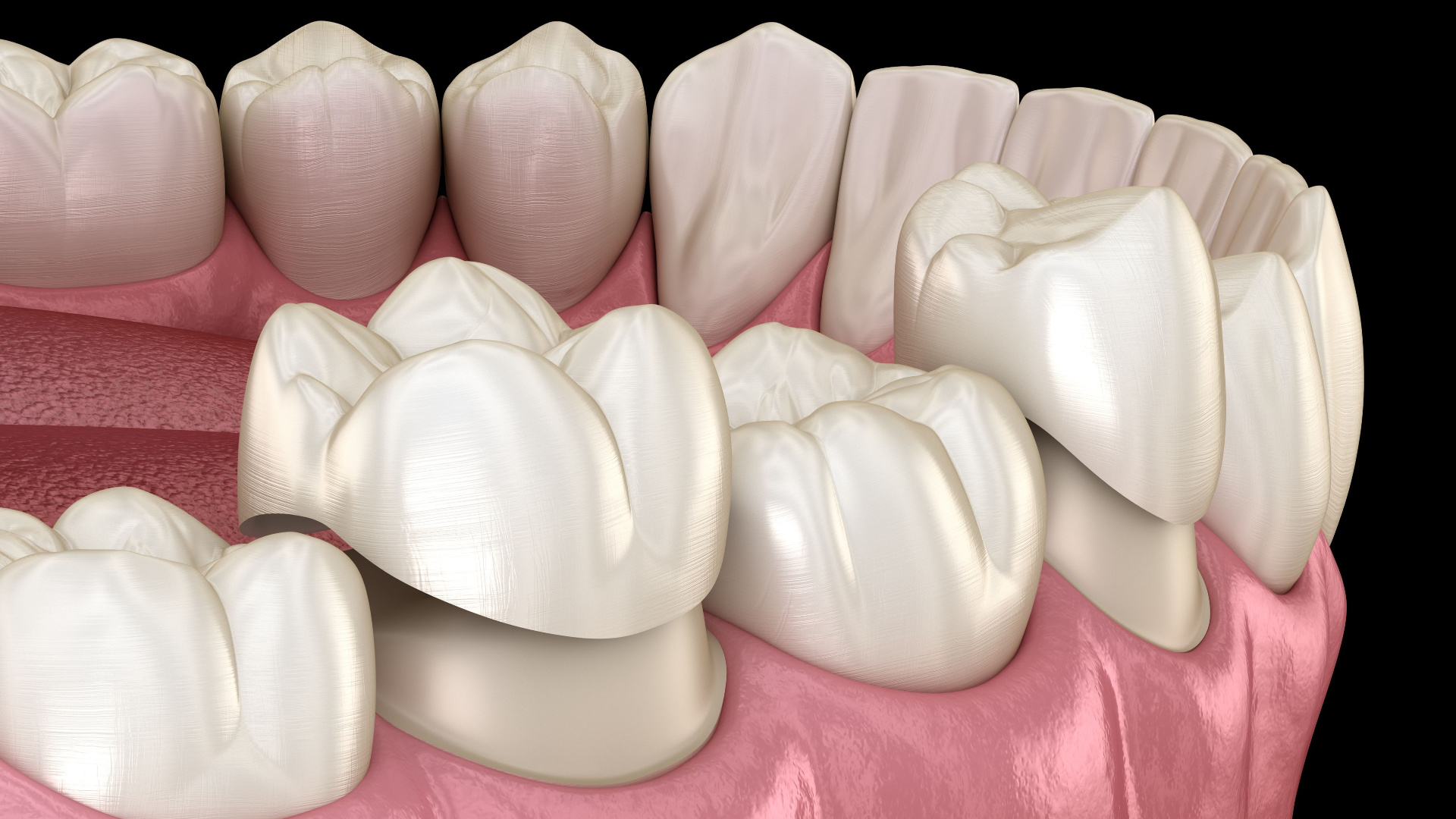
Unlike metal crowns, full porcelain crowns focus more on aesthetics. However, they both essentially serve the same purpose- to restore the tooth and your smile. But you would not want to have a silver-colored tooth showing up in your smile, would you? A dental crown is a fixed, custom-made prosthetic cap that is cemented (using dental cement) onto the damaged tooth. The primary purpose of a dental crown is to restore the function and aesthetic of the tooth. Porcelain crowns have good strength longevity and restore the damaged tooth, replicating the natural appearance of the former tooth to its best. They are best suited for the front tooth. Here are the reasons you would need a porcelain crown for:
· Injury to the tooth- fractured, broken, worn out, or chipped tooth
· To replace a large, loose, or fallen out dental filling
· To protect the tooth after a deep filling or root canal therapy
· Act as an anchor and support for the dental bridge
· To reshape a misaligned or crooked tooth
Things You Need To Know About Porcelain Crowns
It is always beneficial to have adequate knowledge about the dental procedure you are about to undergo. Not that we want you to “show-off” in front of the dentist but to help you calm your nerves, alleviate dental anxiety, and relax throughout the treatment. Mostly, porcelain crowns are for permanent teeth, but in rare cases, they can be given to primary teeth. Such as to protect the tooth from decay or preserve the tooth after restoration. Porcelain crowns are an excellent choice, especially in patients who are allergic to metal. Another type of dental crown, a porcelain fused to metal crown or PFM, is a cross between metal and porcelain crowns. The inner surface is the metal to provide high strength, while the outer surface is the porcelain to provide excellent aesthetics.
The Procedure To Get A Full Porcelain Crown
After a thorough clinical and radiographic examination that leads to a definite diagnosis, the patient is briefed about the steps of the procedure, such as:
· The damaged tooth is first prepared, reshaped, and restored to get rid of all the decay or debris, usually under local anesthesia
· Then, a dental impression of that tooth is taken to record the anatomy
· The impression is then sent to the dental laboratory
· Meanwhile, the dentist can give the patient a temporary acrylic crown if needed because it may take 2-3 weeks before the permanent crown is made
· Once the permanent crown gets to the dental clinic, the patient is called in
· The surface of the tooth is made rough or porous using an etchant- the etching acid allows a better bond formation between the prepared tooth surface and the porcelain crown
· The crown is then cemented and checked to see if any adjustments are needed
· As the patient is completely satisfied with no complaints, the procedure ends
The patient should be educated about the aftermath of a porcelain crown. They may experience slight irritation, discomfort, or pain while adjusting to the newcomer in their mouth. However, it is only temporary and subsides within a couple of days. If the condition persists or the pain worsens, the patient needs to rush to their dentist.
Frequently Asked Questions
Is a porcelain crown good?
The next question about porcelain crowns that may pop up in your head would be; are they any good? Well, yes. Porcelain crowns are durable and restore your smile in the best way possible, especially if you cannot afford dental implants. They restore your tooth with adequate strength, functionality, and great aesthetics. When done correctly, nobody would be able to tell them apart from a natural tooth.
Do porcelain crowns stain?
These types of dental crowns have extremely high stain resistance. Unless the crown is damaged or broken, the stains cannot penetrate it. However, they may get stained over time without proper brushing, flossing, and poor hygiene maintenance. Just take care of the crowns, your hygiene, and your oral habits, and all will be good.
How long do porcelain crowns last?
Porcelain crowns prove to be very durable, but only if they are taken care of. With good oral hygiene practice and regular visits to the dental clinic, they can last up to 20 years.
Own Your Crown!
If the dentist does their part right, the success and lifespan of any prosthesis, such as dental crowns, dental bridges, dental implants, or even dentures, depend on the habits and hygiene of the patient. Full porcelain crowns return the confidence and health to your smile, and they deserve your care because you would not want to lose them.